
Santa, Screens, and Switch-Off Time: Why Learning in December is Different, and Why That’s Okay
Shutterstock
By Zayna Dar, Founder, Shuhari Tuition
With December comes a shift in the rhythm of classroom and home learning, and as a student, that’s okay. It’s normal to notice a dip in energy and a change in routine as the festive season approaches. Learning during this period is often less structured and slower-paced than at other points in the academic year. Staying productive should be balanced with making time for rest, which you need after a long term.
December has a noticeably different atmosphere from the rest of the school year. Christmas decorations start to crop up and children begin counting down the days until the holidays. At home, routines change as calendars fill with festive activities and families make plans to spend time together. Even when lessons continue as normal, there’s often a strong sense that the end of term is approaching.
For younger children, this can make concentration more difficult as their thoughts turn to Christmas presents and parties. The excitement is heightened when they’ve been looking forward to the festive season for months. For older students, preparation for mocks is likely to be underway. They may feel pressure to use the holidays productively, especially when they know the months ahead will become increasingly demanding as they approach their summer exams.
This blog looks at why learning is different in December and how families can deal with the change in pace. We’ll explore the effect that the festive season has on concentration, as well as how screens can be used positively during the holidays. We’ll also consider the learning that takes place through everyday activities at home and why rest is particularly important for students who have GCSE or A-level exams coming up.
Why festivities affect focus
Cognitive research has consistently shown the impact of emotional and environmental factors on learning. In December, children participate in more social activities and experience the excitement and anticipation associated with the festive season. This can make sustained concentration more challenging, particularly for younger learners.
There’s a lot happening at this time of the year. Children may be rehearsing for school plays or making Christmas decorations in class. At home, they may be wrapping presents or watching Christmas films. All of these activities take up mental space. A child who’s thinking about an upcoming Christmas party may find it difficult to give their full attention to a piece of homework. This is especially the case towards the end of a long term when children are already feeling tired.
The same applies to older students. Their minds may be preoccupied with thoughts of January mocks and they may struggle to focus on schoolwork or revision because of family get-togethers or meetups with friends. Their attention is being pulled in several different directions, and tiredness makes it harder to sustain concentration for long periods.
If you’re tired, you may spend a long time studying without retaining much of the information you’ve covered. To overcome this, you may find you work better with shorter periods of focused schoolwork or revision with regular breaks. It’s necessary to think about what’s realistic. Academic progress is important, but you also need to make time to rest so that you return to school ready to put your best foot forward.
Rethinking screen time during the holidays
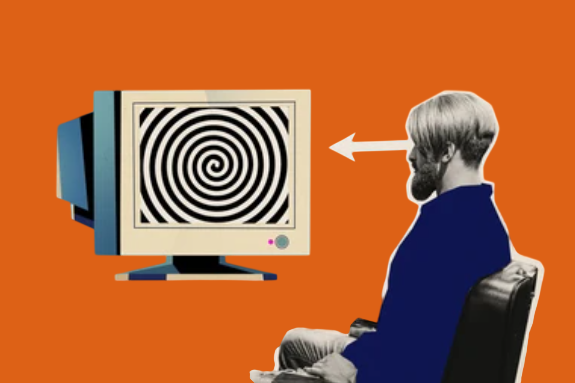
It’s normal for the December holidays to bring with them the increased presence of screens. It’s wise for parents to make sure their children aren’t spending an excessive amount of time in front of a screen, but the use of screens during the festive season isn’t inherently bad. When used intentionally, technology can be a positive force during the holidays.
Watching Christmas films is a familiar part of the festive season for many families. Sitting together to watch a favourite movie is a fun activity that gives everyone some time to relax. Video calling family members is also a lovely way to stay connected, particularly when relatives live far away and can’t visit in person.
Screens can support children’s hobbies and interests too. For example, a child who enjoys drawing may spend time creating digital artwork. A child who loves animals might watch a nature programme or research a particular animal species. Older children may use their devices to listen to podcasts or read articles.
Technology can also provide useful opportunities for learning during the holidays. Educational websites, language learning apps, and e-readers can all help children learn in a fun and engaging way. Of course, children still need time away from screens.
Spending long periods on devices can mean less time for sleep, physical activity, and interaction with your family and friends. Parents should establish healthy boundaries that give children opportunities to use technology for leisure and to support their learning without it becoming excessive.
For example, some families may choose to keep phones away from the dinner table or encourage children to hand in their devices before bedtime. Setting these expectations ensures they aren’t spending a disproportionate amount of time on their devices during the holidays. The Christmas break creates plenty of opportunities to disconnect. Families might spend an afternoon playing board games together or going for a walk in the park.
These screen-free activities provide a refreshing change of pace and are a great way of spending quality time with your loves ones. Technology has become a normal part of children's lives, and the festive season doesn’t need to become a battle over every hour spent on a device. Helping children use technology responsibly and productively is important for their academic progress and overall well-being.
Everyday learning beyond the classroom
The holidays provide plenty of opportunities for children to learn outside of the classroom. For younger children in particular, everyday activities develop skills that support what they’re learning in school. Take baking as a simple example. Measuring flour, counting eggs, and working out how much milk is needed gives children an opportunity to practise ratio and units of measurement. Following a recipe also requires them to read carefully and practise following instructions.
Christmas shopping provides another opportunity for numeracy as children might compare different deals or work out how much change they should receive. Additionally, board games like chess and Monopoly support problem-solving, decision-making, and strategic thinking. They can also teach children how to be a team player and a good sport when things don’t go their way.
Christmas preparations provide opportunities for literacy too. Playing word games like Scrabble broadens a child’s vocabulary and gets them to practise their spelling. Children might also write cards for relatives or help create a shopping list. These are small activities, but they give children an opportunity to use language in a meaningful context.
As a general rule, it’s good to encourage children to be curious and ask questions. A question about where a Christmas tradition comes from could lead to an interesting conversation about history, culture, or religion. Curiosity about the changing seasons or the winter weather could lead to a discussion about meteorology or science.
Children learn a great deal simply through conversations and experiences. Giving them the opportunity to explore their interests helps them see learning more holistically as something that exists beyond the classroom. Experiential learning is harder to measure than a formal exam, but its value is still significant. Children develop knowledge and skills while participating in ordinary family life, and these experiences support their academic development as they get older.
Keep up with reading
Reading is another activity that should be encouraged during the Christmas break. For younger children, reading a story with them can be part of their bedtime routine. Choosing a festive book gets everyone into the Christmas spirit while giving children valuable opportunities to practise their reading and comprehension skills.
Older children may enjoy choosing their own books. Giving them some freedom over what they choose to read will develop their interest in reading. A teenager who enjoys fantasy, mystery, or science fiction is much more inclined to pick up a book when they’ve chosen it themselves.
Reading for pleasure is an activity that offers older children a break from studying while still supporting their learning. They’re still encountering new vocabulary, different themes and characters, and a variety of sentence structures, but the experience is usually more enjoyable for them when they do it at their leisure.
Younger children may enjoy taking turns to read aloud, while older children may benefit from discussing a book they’ve finished. Parents should encourage reading without it turning into another task that needs constant monitoring. Overall, reading is a great way for parents to spend time with their children and nurture their curiosity and interests.
The importance of rest for learning and retention
By December, students have spent several months following a busy school routine. Early mornings, lessons, exams, homework, and extracurricular activities all take their toll, particularly as the term draws to a close. For older students, the pressure is even greater knowing mocks are approaching in the new year.
Rest plays an important role in how effectively we learn and retain information. Sleep, in particular, gives the brain time to process and consolidate what’s been learnt during the day. This is one reason why staying up late to squeeze in an extra revision session can be counterproductive. If you’re tired, you’ll likely spend longer looking over your notes while taking in less of the information.
This is something students preparing for GCSE or A-level exams should keep in mind during the Christmas holidays. Many students feel they should use every day away from school to catch up on revision, especially when there’s a lot of content to cover. But taking some time away from studying gives your brain an opportunity to recover after a demanding term.
Of course, this doesn’t mean that revision should be put on the back burner entirely for students with exams on the horizon. Keeping some contact with your subjects over the holidays helps you retain what you’ve learnt and identify areas that still need more attention. Rather than being driven by a feeling that you should always be doing more, the amount of revision you do should be proportional to how close your exams are, how much content you need to cover, and which topics you find most difficult.
Once again, you may find that shorter revision sessions are more productive during the holidays. Spending an hour working through a topic and then taking a break and going for a walk around the block or pursuing a hobby is more productive than sitting at a desk for several hours while your focus gradually dwindles.
There’s a psychological benefit to switching off too. When you’re under academic pressure for a long period of time, schoolwork and exams can begin to occupy your thoughts even when you aren’t studying. Constantly thinking about upcoming exams or unfinished work makes it difficult to relax. You should be able to enjoy your free time without feeling guilty or worrying about whether you should be studying more.
For parents, it’s important you recognise how beneficial this downtime can be. A teenager who spends an afternoon watching a movie with friends hasn’t necessarily wasted their time. They’re having a break after a busy term, and that can leave them feeling more refreshed when they return to their studies.
The same principle applies to younger children. Rest and unstructured play are important parts of childhood, and children need time when they can decide how they want to spend their time. Christmas provides plenty of opportunities for this, whether they’re baking cookies, decorating the tree, or spending time with family in any other way they enjoy.
Giving yourself permission to slow down
December is a slower month at school, and that’s okay. After a busy term, students deserve some time when they don’t have to think about homework, revision, or the next deadline. For parents, you may feel it’s necessary to keep your children constantly busy throughout the holidays, but this can be counterproductive when they need time to rest and recharge.
There’s nothing wrong with leaving some days unplanned and letting children decide how they want to spend their time. Christmas is a chance to be with family, see friends, and enjoy a proper break. January will come around soon enough. For now, enjoy the holidays and give yourself a chance to switch off. You’ve earnt it.
